

In an interconnected world, digital philanthropy and peer-to-peer solidarity have made it possible for resources to travel across borders in minutes. Every year, ultra-high-net-worth philanthropists, charitable foundations, and everyday donors distribute billions of dollars to support individuals facing acute hardship, medical emergencies, community crises, and entrepreneurial ambitions.
The phrase "websites where rich people give away money" is one of the most widely searched terms by individuals experiencing financial distress. However, widespread confusion surrounds what constitutes an outright charitable donation, what represents public crowdfunding, what is a repayable microloan, and what serves merely as high-level philanthropic background information.
Before submitting requests or sharing personal stories, it is essential to understand the different funding avenues and their operating rules.
Compare: 25 Websites That Will Pay You to Read Books
Understanding Funding Types: Donations, Crowdfunding & Repayable Loans
Not all financial assistance platforms operate the same way. Knowing the distinction ensures you do not waste time or fall victim to online scams:
Nonprofit organizations (such as GiveDirectly, Modest Needs, and Direct Relief) that distribute verified, unconditional cash transfers or pay essential bills (like rent or hospital invoices) directly to creditors on behalf of recipients. These funds are gifts and do not need to be repaid.
Platforms (like GoFundMe, JustGiving, and Fundly) where individuals create public fundraising appeals. Contributions come from family, community networks, and benevolent wealthy donors who browse campaigns. Location and banking restrictions apply.
Organizations (like Kiva) that facilitate micro-capital for entrepreneurs and students. These are loans, not free money. Borrowers are contractually bound to repay the capital, and local partner institutions may charge interest or fees.
Initiatives (like The Giving Pledge) that represent moral commitments by the ultra-wealthy. These organizations are not grantmakers and do not accept funding applications from individuals. They provide educational context only.
How Do Rich People Feel When They Give Away Their Money?
The feelings of wealthy individuals when they give away their money can vary widely depending on their personal motivations, values, and the context of their giving. Here are some common emotions and thoughts that rich people might experience when they donate their wealth:
Fulfillment and Satisfaction: Many wealthy individuals derive a deep sense of fulfillment and satisfaction from giving back to society. They feel proud and content knowing their wealth makes a tangible, measurable difference in people's lives.
Joy and Happiness: Acts of generosity trigger psychological well-being. Giving to high-need causes releases endorphins and builds a constructive legacy, particularly when donors observe direct human impact.
Sense of Purpose: Strategic philanthropy aligns capital with core personal convictions, offering wealthy individuals a vehicle to tackle global challenges such as extreme poverty, health equity, and educational access.
Gratitude and Humility: Giving away money often fosters humility, reminding donors of the shared vulnerabilities of the human condition and the systemic advantages that contributed to their wealth.
Responsibility and Stewardship: Many founders and heirs view wealth as a public trust or moral stewardship, believing surplus resources should address socioeconomic inequality.
Concerns and Diligence: Wealthy donors frequently worry about fund mismanagement, intermediary overhead, or dependency. This is why many donors choose vetted platforms with robust audit mechanisms.
See also: 20 Remote Jobs for Former Teachers
Should You Take Free Money From Rich People?
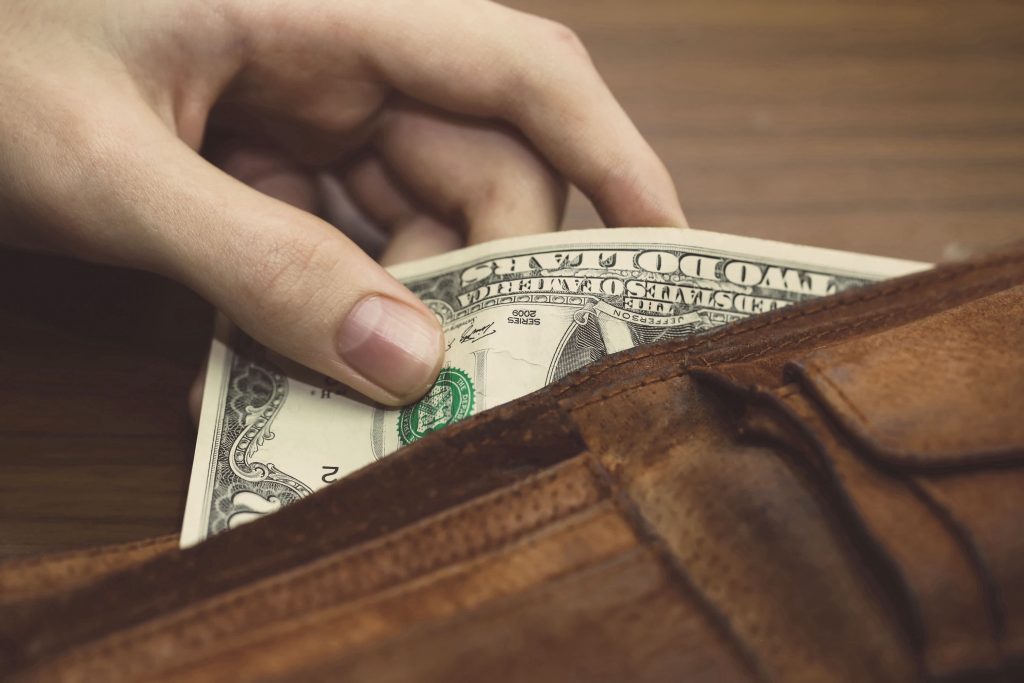
While the prospect of receiving financial assistance is appealing when facing hardship, consider these essential principles before accepting aid:
Clarity of Terms: Ensure you understand whether the support is a grant, a donation, or a repayable loan. Never accept funds under vague agreements.
Avoiding Dependence: External financial support should serve as a bridge to stability, not a permanent substitute for earned income. Channel received funds toward resolving root problems or acquiring income-generating skills.
Ethics and Authenticity: Always present truthful, accurate facts when requesting assistance. Misrepresenting facts on crowdfunding sites damages donor trust and can constitute criminal fraud.
Tax & Legal Compliance: Be aware of gift tax regulations and banking reporting requirements in your country. Depending on jurisdiction, large international wire transfers may require documentation.
Reputation & Dignity: Frame your story around solutions, accountability, and resilience rather than helplessness.
The 17 Websites Where Rich People Give Away Money
Below are 17 prominent platforms, categorized by how they operate—from philanthropic directories and public crowdfunding to emergency grantmakers and micro-lending networks:
1. The Giving Pledge (Philanthropic Initiative & Directory — Not a Direct Grantmaker)
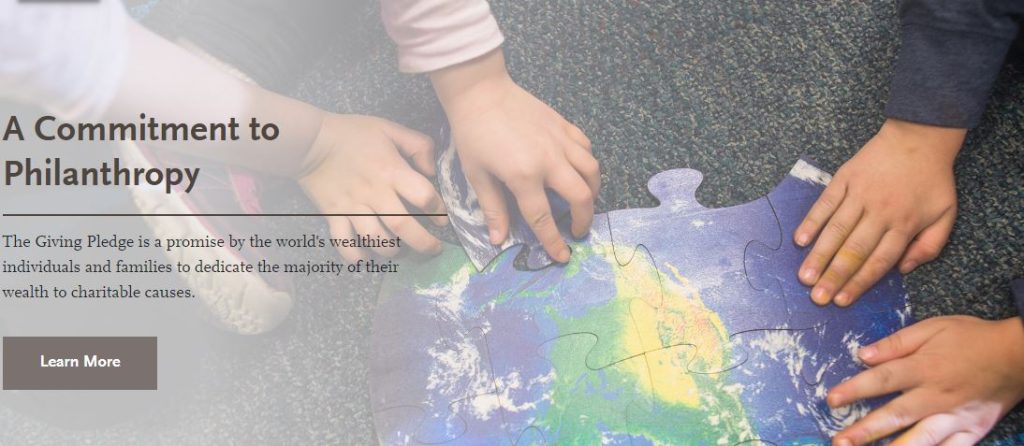
The Giving Pledge was created in 2010 by Bill Gates, Melinda French Gates, and Warren Buffett. It serves as an open invitation for billionaires and ultra-high-net-worth families around the world to publicly commit at least half of their wealth to philanthropic and charitable causes.
The platform publishes pledge letters from more than 240 signatories representing dozens of countries, detailing their personal motivations, charitable philosophies, and the global issues they care about most.
⚠️ Critical Fact-Check: The Giving Pledge Does Not Distribute Grants or Funds
You cannot request, apply for, or receive money from The Giving Pledge. As explicitly documented on The Giving Pledge Official FAQ, the organization is an educational and moral initiative, not an operating foundation, grantmaking body, or charity. The organization holds no donor fund, maintains no grant application portal, and does not distribute funds to individuals or nonprofits. Each signatory manages their donations independently through their own family foundations or designated charities. Readers should view The Giving Pledge strictly as background insight into global billionaire philanthropy, and should never submit funding appeals to the organization.
2. GoFundMe (Personal & Emergency Crowdfunding Platform)
Founded in 2010, GoFundMe is the world's largest peer-to-peer crowdfunding platform, having mobilized more than $30 billion from tens of millions of donors. It is widely used for medical expenses, tuition emergencies, disaster recovery, and community relief.
While campaigns are primarily driven by grassroots social sharing, many wealthy donors, celebrities, and philanthropists actively browse verified campaigns to contribute substantial donations anonymously or publicly.
🌍 Important Location Restriction: Supported Countries & Kenya Requirements
GoFundMe enforces strict regulatory and anti-money-laundering standards that limit where campaign organizers can create fundraisers and withdraw funds. Currently, Kenya is not on GoFundMe's official list of supported countries for account creation or bank payouts.
According to GoFundMe's Official Supported Countries Directory, campaigns can only be created by organizers who hold valid legal identity, a verified residential address, and a supported bank account in one of their authorized nations (such as the United States, United Kingdom, Canada, Australia, and select European territories).
How Kenyans and International Applicants Can Still Benefit: If you reside in Kenya and face a genuine crisis, you cannot withdraw GoFundMe donations directly to a local Kenyan bank or M-Pesa account. However, you can collaborate with a trusted family member, colleague, or friend who legally resides in a supported country. That individual can serve as the official campaign organizer, undergo GoFundMe's identity checks, collect the donations, and transfer the proceeds to you in Kenya via legitimate international remittance channels like Wise, direct bank transfer, or Western Union.
3. JustGiving (Global Crowdfunding & Charity Platform)
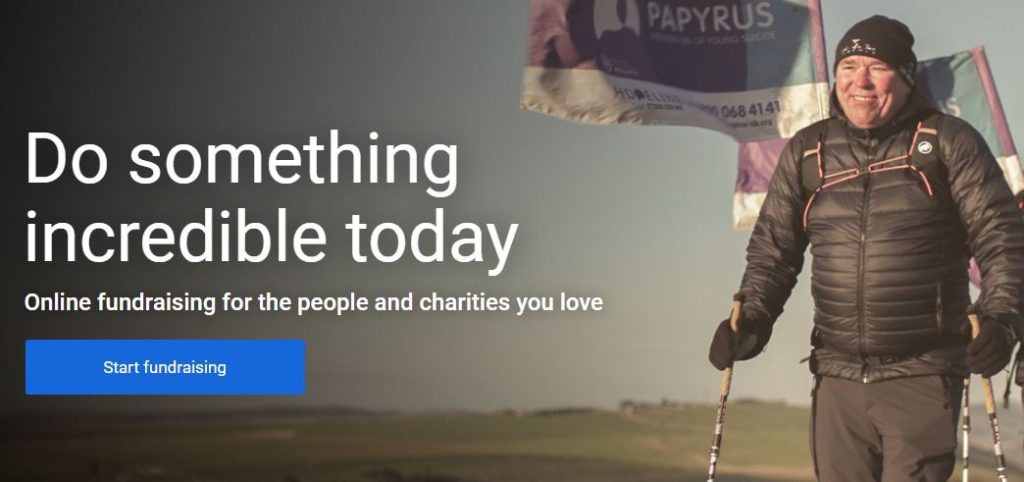
JustGiving is a UK-headquartered global crowdfunding platform that has raised over $5 billion for charitable and personal causes since its founding in 2000. It connects verified fundraisers with millions of international donors.
High-net-worth individuals and corporate donors regularly use JustGiving to match funds or provide major gifts for healthcare, education, and humanitarian relief projects worldwide.
4. Modest Needs (Emergency Self-Sufficiency Grants)
Founded in 2002 by Dr. Keith P. Taylor, Modest Needs is an award-winning nonprofit that provides short-term emergency grants to working individuals and families living just above the poverty line who do not qualify for traditional government assistance.
Modest Needs grants are 100% non-repayable gifts designed to prevent a single unexpected expense (such as a medical bill, critical car repair, or rental arrears) from escalating into permanent poverty or homelessness. Grants are paid directly to the vendor or service provider to ensure absolute accountability.
5. Reddit - r/RandomActsOfKindness (Community Mutual Aid)
The Reddit community r/RandomActsOfKindness (along with mutual-aid forums like r/Assistance and r/Borrow) serves as an informal peer-to-peer mutual-aid network where community members share needs or offer direct help.
Many generous individuals and benefactors browse these subreddits to purchase essential items from Amazon wishlists, cover urgent groceries, or fulfill emergency needs. Strict community rules require active Reddit accounts and verified documentation to prevent abuse.
6. Kiva (Crowdfunded Microloans — Must Be Repaid)
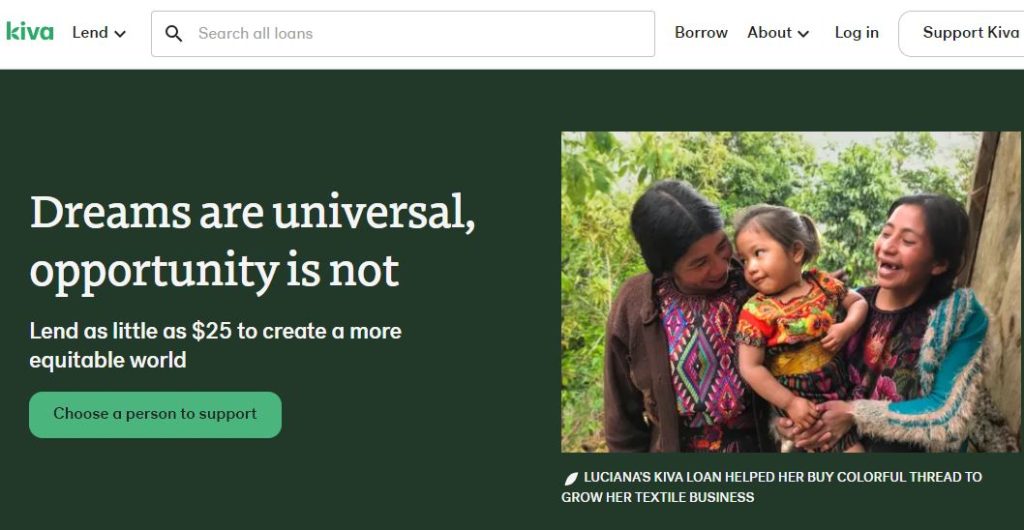
Founded in 2005, Kiva is a world-renowned nonprofit microfinance platform that connects low-income entrepreneurs, students, and farmers in more than 80 countries with socially motivated lenders worldwide. To date, Kiva has crowdfunded more than $2 billion in micro-capital, with extensive operations throughout Kenya and East Africa.
High-net-worth impact investors, foundations, and corporate sponsors regularly provide matching funds and revolving capital on Kiva to accelerate micro-enterprise development and women's economic empowerment.
💡 Crucial Clarification: Kiva Provides Repayable Loans, NOT Free Money or Grants
While Kiva connects borrowers with generous global backers, Kiva is strictly a lending facility, not a grantmaker or source of free money. Funds disbursed through Kiva are microloans that borrowers are legally and contractually obligated to repay over an agreed schedule.
According to Kiva's Official "How Kiva Works" Architecture, loan arrangements vary by channel:
- Field Partners in Emerging Markets: In countries such as Kenya, Nigeria, and Uganda, loans are administered by local microfinance institutions, agricultural cooperatives, or community NGOs known as "Field Partners." While Kiva charges 0% interest to Field Partners and social lenders earn no interest, local Field Partners frequently charge interest or administrative fees to cover the physical costs of underwriting, borrower visits, and local currency hedging.
- Direct Loans (U.S. Only): In the United States, Kiva provides 0% interest direct microloans to qualified entrepreneurs vetted through community endorsement.
- Repayment Accountability: Borrowers must consistently make their scheduled repayments. Maintaining a high repayment rate preserves local credit standing and ensures future borrowing opportunities for the community.
7. Benevolent (One-Time Critical Need Funding)
Benevolent is an innovative platform that connects low-income individuals who have specific, one-time needs with individual donors. The platform works with verified case managers and nonprofit partner organizations to validate each request.
Whether funding vocational certification exams, work uniforms, or medical equipment, Benevolent allows donors to fund specific micro-milestones that unlock sustained employment.
8. Patreon (Creator Patronage & Support)
Patreon is a membership platform founded in 2013 that enables artists, writers, podcasters, software developers, and educators to obtain recurring financial patronage directly from their audience and wealthy benefactors.
Many affluent patrons use Patreon to provide sustained monthly stipends to creators whose work they value, offering creators dependable income to pursue their projects full-time.
9. DonorsChoose (Public School Classroom Grants)
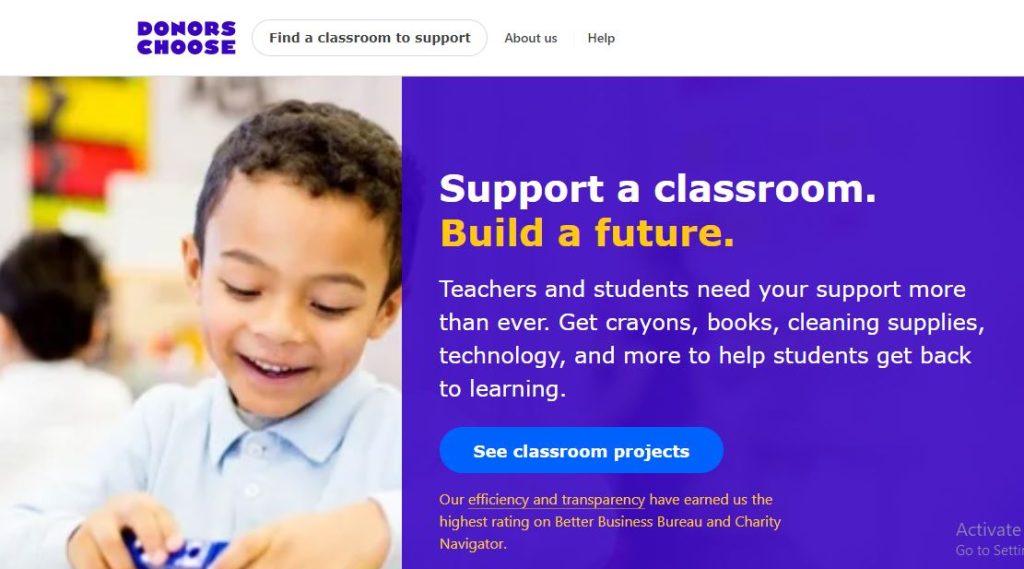
Created in 2000 by a public high school teacher in the Bronx, DonorsChoose enables public school educators across the United States to request funding for classroom materials, books, technology, and science supplies.
Major corporate philanthropies and tech billionaires (including the Bill & Melinda Gates Foundation and prominent Silicon Valley founders) frequently "flash fund" every open project in an entire school district or state.
10. Kickstarter (Creative Project Crowdfunding)
Kickstarter is the premier reward-based crowdfunding platform for innovative ideas in technology, arts, design, publishing, and film. Since 2009, Kickstarter has helped bring hundreds of thousands of creative projects to life.
Affluent backers and venture capitalists regularly back high-potential campaigns, offering vital seed capital in exchange for early product prototypes or bespoke rewards rather than company equity.
11. Indiegogo (Flexible Campaign Crowdfunding)
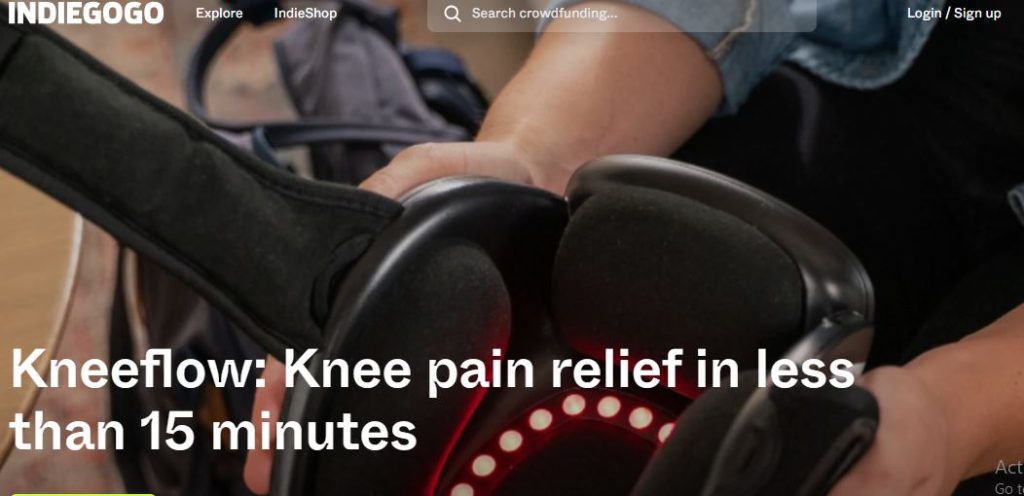
Founded in 2008, Indiegogo allows creators and entrepreneurs to raise capital under both "fixed" and "flexible" funding models. Flexible funding permits organizers to retain whatever funds they raise, even if their total target is not met.
Donors and private investors leverage Indiegogo to discover cutting-edge hardware innovations, socially conscious initiatives, and creative media endeavors.
12. Direct Relief (Humanitarian & Medical Aid Grants)
Operating in more than 80 countries, Direct Relief is an internationally recognized humanitarian organization that provides essential medicines, medical supplies, and emergency financial grants to community health centers and disaster-affected populations.
Ranked consistently among the world's most efficient charities, Direct Relief directs 100% of designated public donations to emergency aid, supported heavily by corporate endowments and wealthy benefactors.
13. GiveDirectly (Unconditional Direct Cash Transfers)
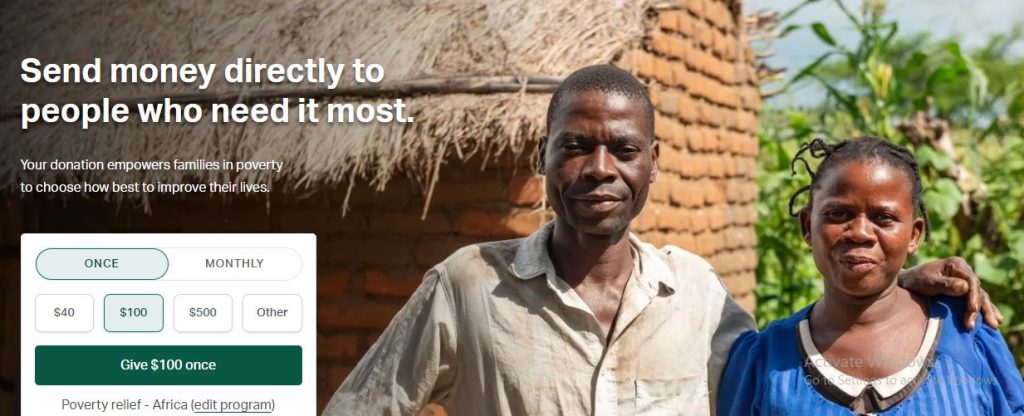
GiveDirectly is a pioneering nonprofit that has fundamentally reshaped international development through unconditional direct cash transfers. Founded in 2009 by development economists, GiveDirectly has transferred over $700 million directly to individuals living in extreme poverty across Kenya, Uganda, Rwanda, Malawi, and Liberia.
Supported by major philanthropists like MacKenzie Scott and Google.org, GiveDirectly delivers funds directly to recipients' mobile money accounts (such as M-Pesa in Kenya) with zero restrictions on how the funds are spent, trusting recipients to make the best decisions for their families.
14. Wish Upon A Hero (Community Wish Granting)
Wish Upon A Hero was founded in 2007 as a social network connecting individuals in need with altruistic donors willing to grant specific, real-world wishes.
Wishes range from simple requests (such as baby clothes, school uniforms, or pet food) to life-changing assistance like medical equipment or housing repairs, funded by empathetic community members and benefactors.
15. YouCaring (Legacy Medical Crowdfunding — Now GoFundMe)
YouCaring was initially established in 2011 as a compassionate crowdfunding platform dedicated to medical and personal crises with a zero-platform-fee model. In 2018, YouCaring was acquired by GoFundMe and its campaign infrastructure was integrated directly into GoFundMe's global network.
Today, visitors searching for YouCaring campaigns are routed through GoFundMe's unified fundraising portal, subject to GoFundMe's location and country guidelines.
16. Fundly (Community & Non-Profit Crowdfunding)
Fundly is an intuitive fundraising platform that allows individuals, sports teams, clubs, and registered charities to run campaigns with integrated social media storytelling.
Wealthy individual donors and corporate sponsors often contribute to Fundly campaigns that demonstrate active community involvement and clear impact metrics.
17. GlobalGiving (Vetted Grassroots Community Grants)
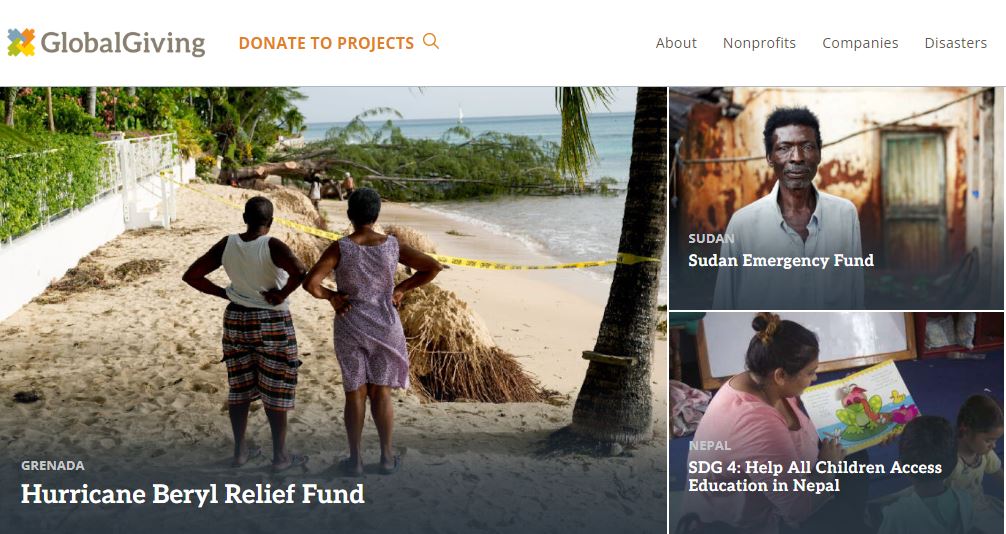
GlobalGiving is the world's largest crowdfunding community connecting non-profits, donors, and companies across nearly every country. Founded in 2002, it has mobilized more than $900 million to support local, grassroots-led solutions.
Philanthropists use GlobalGiving to discover meticulously vetted grassroots organizations tackling clean water, youth empowerment, food security, and crisis response worldwide.
What You Should Do with Financial Assistance
If you receive financial aid, grant support, or crowdfunding donations, managing the funds strategically is vital to achieving long-term stability:
1. Eliminate High-Cost Debt: High-interest debt erodes future income. Pay off urgent predatory loans or credit balances immediately to regain financial peace of mind.
2. Build a Modest Emergency Buffer: Set aside a portion in an accessible account to cushion against unexpected medical expenses or income interruptions.
3. Invest in Income-Generating Assets: Direct surplus capital into tools that increase your earning potential—such as a dependable laptop, vocational tools, certification exams, or working inventory for a micro-business.
4. Honor Accountability & Donors: Send clear, polite updates to everyone who assisted you. Showing how funds were utilized builds enduring goodwill.
How to Increase Your Chances of Receiving Support
Whether creating a crowdfunding campaign or applying to an emergency fund, your presentation determines success:
Articulate a Clear, Honest Narrative: Explain exactly what happened, what you need, and how every dollar will be used. Donors respond to clarity, vulnerability, and honesty.
Provide Verifiable Evidence: Wherever appropriate, attach invoices, official medical estimates, or institutional documentation. Verified campaigns receive significantly higher support.
Leverage Your Immediate Circle First: Crowdfunding algorithms and wealthy donors prioritize campaigns that show initial grassroots traction from friends, family, and neighbors.
Communicate With Gratitude: Always acknowledge every donation promptly, regardless of size.
Frequently Asked Questions (FAQs)
Q: Can I apply to The Giving Pledge to receive money from rich people?
A: No. As stated in The Giving Pledge's Official FAQ, The Giving Pledge is an educational initiative where billionaires commit their wealth to philanthropy. The organization does not distribute funds, accept applications, or give grants to individuals.
Q: Can someone living in Kenya create a GoFundMe campaign and withdraw money?
A: Kenya is currently not on GoFundMe's official list of supported countries for account creation and payouts. However, a person in Kenya can partner with a trusted friend or relative in a supported nation (e.g. US, UK, Canada) who can act as the campaign organizer, receive the funds, and transfer them to Kenya.
Q: Is Kiva free money, or do borrowers have to repay it?
A: Kiva provides repayable microloans, NOT free money or grants. Borrowers are contractually expected to repay the full loan amount according to schedule. In developing countries, local Field Partners administer the loans and may charge interest or administrative fees to cover operational costs.
Q: Which websites actually provide non-repayable cash assistance?
A: GiveDirectly provides verified, unconditional direct cash transfers to people living in extreme poverty in designated rural communities (including parts of East Africa). Modest Needs provides emergency grants to pay specific bills (such as rent or critical medical expenses) directly to service providers on behalf of low-income workers.
Q: How can I avoid scams when seeking financial help online?
A: Legitimate philanthropic organizations and donors will NEVER ask you to pay an upfront processing fee, 'clearance deposit', or cryptocurrency transfer to release funds. Always verify websites through official directories and never share sensitive financial details or passwords.
Conclusion
The digital age has opened genuine pathways for individuals facing financial distress to connect with compassionate donors, charitable foundations, and impact investors. However, separating fact from fiction is essential.
Initiatives like The Giving Pledge offer inspiring insights into global billionaire philanthropy, but they do not distribute grants to individuals. Platforms like GoFundMe provide powerful crowdfunding mechanisms, but require geographic eligibility or international organizers. Meanwhile, platforms like Kiva offer microfinance opportunities that empower entrepreneurs through repayable loans rather than free gifts.
By understanding the precise rules of each platform, communicating with honesty and transparency, and steering clear of upfront-fee scams, you can explore these avenues responsibly and find the support you need.


